Tuning tips australia guide m1
Practical, Australia-focused advice for aftermarket upgrades, ECU remaps, and reliable performance gains without compromising safety or street legality.
- Focus: reliability, compliance, value
- Regions: NSW, VIC, QLD — local workshops and dyno options
- Goal: measurable performance that lasts

Basic checklist before you tune
- Service history & mechanical fitness (*** leaks, proper cooling)
- Quality intake & exhaust path — inspect for restrictions
- Tire condition and brake health — essential for safety testing
- Map your goal: economy, track, or balanced street use
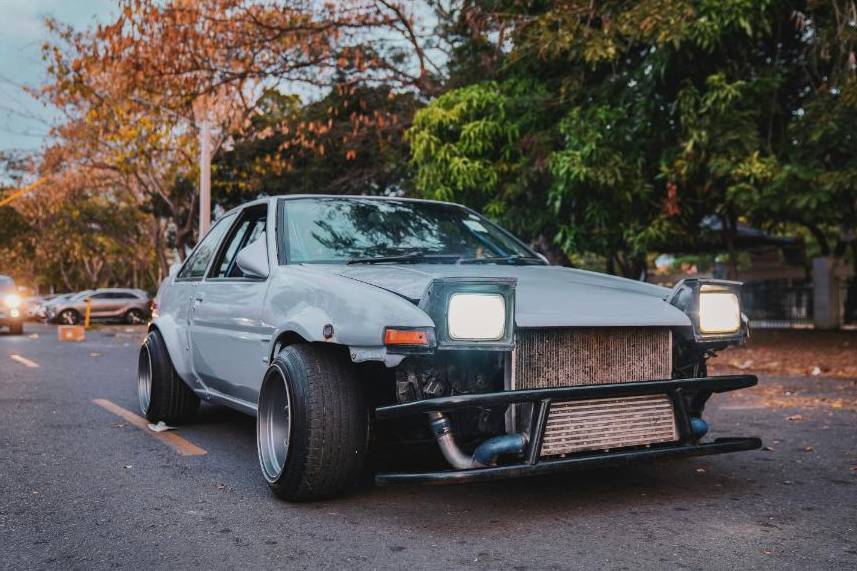
A pre-tune mechanical inspection saves wasted tuning sessions and prevents costly engine damage.
Aftermarket parts: what to prioritise
Choose parts that match your tuning target and maintain compatibility with emissions/legal requirements in Australia.
| Component | When to fit | Notes |
|---|---|---|
| Air filter/intake | Stage 1 | Improves response; ensure mass‑air sensor compatibility |
| Cat-back exhaust | Stage 1–2 | Check local RWC/N.OISE rules for your state |
| Intercooler upgrade | Turbo cars, Stage 2+ | Reduces knock risk on higher boost |
| Fuel system (injectors/pump) | High-power builds | Required for safe fuelling at target power |

Prioritise cooling and fuelling early — they underpin safe power increases.
Dyno tuning: what to expect
Book time on a 4WD dyno for AWD and 2WD cars. Expect logging runs, iterative mapping, and a final verification sheet showing gains and AFR targets.
- Bring fuel and planned hardware list
- Allow 2–4 hours depending on scope
- Ask for a torque and power graph export
Safety and Australian legal notes
Always check your state regulations (RMS/NRMA, VicRoads, QLD Transport) before installing parts that affect emissions or noise. Keep documentation for any ECU changes and ensure your car remains roadworthy.
- Aftermarket exhausts may fail noise checks — request test certificates
- ECU remaps: keep original tune backed up and request a copy of the new map
- Insurance: inform your insurer of modifications to maintain cover

Common questions
Resources & next steps
Local dyno shops
We recommend booking a pre-tune inspection and dyno slot together to save time and ensure correct baseline logging.
Parts sourcing tips
Choose brands with Australian support and clear fitment guides to simplify registration checks.
Want bespoke advice?
Start with a photo of your engine bay and a list of modifications — our team can advise priority steps.
Contact Dealaccesspath